
This is a sample website under development with ideas for doing -it-yourself (DIY) volunteer work towards everyone's welfare.
I am an individual and this is not a registered organisation. All glories to god.
For fire safety and fire prevention related blog, please click this LINK


Patraṁ puṣhpaṁ phalaṁ toyaṁ
This safety blog is in memory of and to honour lost lives and for preventive, education and illustration purposes only. It is maintained by a person with disabilities. If you are in any present danger, contact your local authorities immediately. If you are here for the older version of this website relating to charitable, devotional service, please refer to this link
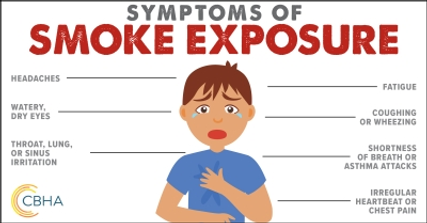
Take this moment to check your surroundings for fire safety. Keep yourself hydrated (for example, drink healthy drinking water). Please be aware of the dangers of smoke inhalation injuries as a result of a fire.
Fire prevention and Fire Safety are important. Take good actions and save lives.
Say NO to violence.
Call your local fire department immediately if fire is too large or uncontrollable. Do not leave children unattended in dangerous circumstances. Always try to be aware of your surroundings.
This link opens emergency number lists for your country
https://en.wikipedia.org/wiki/List_of_emergency_telephone_numbers
A sample educational video on the internet


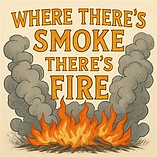
Sample tip: Don't throw water on a grease (oil) fire, water and oil don't mix. It could make the fire worse.

Files:
A sample safety card from the internet

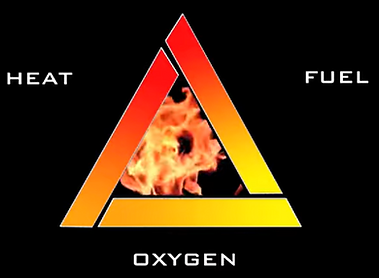


Sample Fire Triangle Tip to Stop a Wild Fire
To stop a wild fire, it is essential to understand the principles of the fire triangle and apply the following tips:
-
Remove Heat: Use water or fire extinguishers to cool down the fuel below its ignition point.
-
Limit Oxygen: Blanketing the fire with foam or CO2 can displace oxygen, suppressing the fire.
Sample Fire Tetrahedron Tip
To ensure fire safety, it is essential to understand the fire tetrahedron and apply its principles in various situations. Here are some tips for incorporating the fire tetrahedron into fire safety practices:
-
Identify Heat Sources: Regularly check for potential heat sources in your environment, such as electrical equipment, heating units, and open flames, and take appropriate measures to prevent ignition.
-
Recognize Fuel Sources: Assess the materials in your surroundings that can ignite fires, such as wood, paper, gasoline, and textiles, and implement strategies to control or remove these sources.
-
Monitor Oxygen Levels: Be aware of the availability of oxygen in your area, as it can affect the intensity and spread of fires. Use fire safety measures that reduce oxygen concentration, such as covering fires with fire blankets or using inert agents.
-
Understand Chemical Reactions: Learn about the chemical reactions that sustain fires, especially in the case of metallic fires, and use appropriate extinguishing agents to break the chain reaction.
By applying these tips and understanding the fire tetrahedron, individuals and organizations can enhance their fire safety protocols and create a safer environment.
Commercial: Here I list a few sample fire safety and fire prevention activity books for children as well as adults that I found online. I share you the purchase links.
Fire safety equipment: https://amzn.to/4dXymQj
Fire safety books: https://amzn.to/4uoEWVL
Fire prevention: https://amzn.to/4v1dGwz